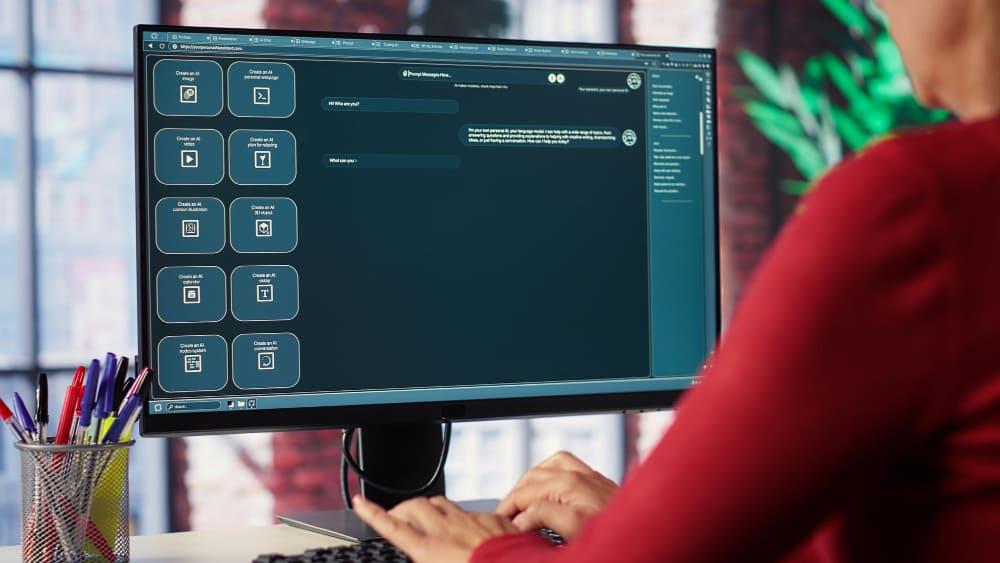
The complex landscape of hardware design demands precision, creativity, and seamless team coordination. As projects grow and teams disperse globally, traditional collaboration methods often struggle. A unified, accessible environment is no longer a luxury, but a necessity for modern engineering workflows.
Browser-based project collaboration emerges as a transformative solution, redefining how engineers interact with design data. This approach leverages ubiquitous web browsers to create a central hub. Here, all stakeholders can contribute, review, and iterate on hardware designs in real-time, irrespective of their physical location.
This paradigm shift moves beyond siloed desktop applications towards an integrated ecosystem. Teams can engage in concurrent engineering, sharing schematics, layouts, and simulations fluidly. Such an environment drastically reduces communication delays and ensures everyone works from the most current project version.
The inherent transparency of browser-based platforms fosters a more collaborative spirit. Design changes are instantly visible, feedback loops shorten, and potential issues are identified earlier. This proactive approach minimizes costly rework and accelerates time-to-market for sophisticated hardware products.
Embracing browser-based collaboration is a strategic imperative for companies seeking a competitive edge. It enhances agility, boosts productivity, and empowers design teams to push technical boundaries. These platforms also integrate advanced version control, crucial for compliance and quality assurance.
Key Applications and Considerations
-
FPGA/ASIC Development: Facilitates concurrent block design and verification. Pros: rapid iteration for complex chip design. Cons: integrating specialized simulation tools can be intricate.
-
IoT Device Prototyping: Supports distributed teams designing and testing connected devices. Pros: faster feedback loops and coordination. Cons: robust security protocols are paramount for sensitive IP.
-
PCB Layout & Schematic Capture: Unifies electrical and mechanical engineers. Pros: streamlined data exchange and version control. Cons: significant bandwidth demands for large design files may occur.
Expert Perspectives on Collaborative Design
Many industry leaders advocate for browser-based platforms, democratizing access to advanced hardware design tools. This empowers smaller firms and startups to leverage sophisticated capabilities without significant infrastructure investment. It truly levels the playing field, fostering innovation across the entire ecosystem.
A strong argument for these platforms centers on enhanced data integrity and streamlined version control. Centralizing design data in a cloud-native environment substantially reduces the risk of outdated files or conflicting versions. This structure minimizes common errors, ensuring a single source of truth for all project assets.
However, some experts raise valid concerns regarding performance and latency, especially for highly intensive tasks like complex simulations or large data transfers. While browser technologies have advanced, reliance on internet connectivity means a stable, high-speed connection is crucial for productivity.
Another critical discussion revolves around data security and intellectual property protection. While vendors like CircuitView Studio implement robust encryption and access controls, the cloud-based nature necessitates continuous vigilance. Organizations must ensure their chosen platform adheres to the highest security standards.
The transition from traditional desktop applications to browser-based tools also presents a learning curve for seasoned engineers. While modern interfaces are often intuitive, adapting established workflows can take time. Effective training and comprehensive support from platform providers are essential to ensure smooth adoption and maximize team efficiency.
Charting the Future of Hardware Development
In conclusion, browser-based project collaboration is transforming hardware design. It offers global teams real-time interaction and centralized data, accelerating innovation and streamlining development. This approach is fundamental for modern engineering.
Strategic adoption of platforms balancing advanced functionality with robust security and reliable performance is crucial. This ensures sustained technological leadership and operational excellence in an interconnected design landscape.
Comments 6


Paula Gutierrez
3days agoThank you for your valuable feedback! We're glad to hear our insights resonate with your experiences. We believe in the transformative power of these platforms for design efficiency.
Reply
Daisy Phillips
8days agoThe points on security and latency are well-made. While the convenience is undeniable, these are crucial considerations for large-scale enterprise adoption. What are typical mitigation strategies?
Reply
Jude Coleman
3days agoExcellent point. For large-scale adoption, mitigation strategies typically include dedicated cloud instances, advanced encryption, multi-factor authentication, and robust network infrastructure. Many platforms also offer offline modes for certain tasks.
Reply
Harold Johnson
8days agoI appreciate the focus on democratizing access to tools. As a startup, the barrier to entry for advanced hardware design software has always been high. This approach offers a compelling alternative.
Reply
Ivy Gray
3days agoWe completely agree. Empowering smaller teams and fostering innovation is a core tenet of this collaborative approach. We're excited about the possibilities it opens for the broader engineering community.
Reply
Peter Sullivan
8days agoThis article clearly outlines the advantages of browser-based collaboration. It's great to see CircuitView Studio leading the charge in this area. We've experienced similar benefits in our projects.
Reply